The Old Ways: A Journey on Foot – Robert Macfarlane/Hamish Hamilton (2012)
When Robert Macfarlane's The Old Ways was published in 2012, it arrived at a moment when walking literature was experiencing something of a renaissance. But this book stood apart from its contemporaries, not simply as another meditation on walking, but as a profound investigation into the ancient paths that have been worn into the landscape by countless feet over millennia.
Macfarlane is best known for his earlier work The Wild Places (2007) and Mountains of the Mind (1999), books that established him as one of the finest contemporary writers on landscape and the human relationship with wild nature. But The Old Ways represents perhaps his most ambitious undertaking: an exploration of ancient trackways, pilgrim paths, and salt routes that connects the act of walking with deep time and human history.
The book's central premise is beautifully simple: that paths are a form of conversation between past and present, that by walking the old ways we enter into dialogue with those who walked before us. As Macfarlane writes in his opening pages: 'We are entangled with one another and with the land in ways we do not fully understand.' This is not simply romantic nostalgia for a pre-modern past, but rather a serious attempt to understand how paths shape both landscape and mind.
The journeys Macfarlane undertakes are extraordinarily varied. He walks the Broomway, a drowned path across the Maplin Sands in Essex that is visible only at low tide and has claimed numerous lives. He follows the Icknield Way, an ancient trackway that runs from the Wash to Wiltshire. He travels to the Outer Hebrides, to the mountains of Tibet, to the holy mountain of Kailash. In Spain he walks part of the Camino de Santiago, that most famous of pilgrim routes. Each journey reveals different aspects of what it means to follow in ancient footsteps.
What makes Macfarlane's writing particularly compelling is his ability to move seamlessly between the personal and the historical, the poetic and the scholarly. He is equally at home discussing the geology of chalk downland as he is reflecting on the emotional resonance of repeated walking. His prose has a distinctive quality: precise, lyrical, attentive to both the minute particulars of the natural world and the larger patterns of human movement across landscape.
One of the book's most memorable sections concerns the practice of 'way-making' itself. Macfarlane describes how paths are created not by single acts of will but by the accumulated treading of many feet over time. A path is democratic, collaborative, made by consensus. This idea extends beyond the physical: he suggests that paths create knowledge, that the repeated walking of a route generates a kind of collective wisdom about landscape, weather, and season.
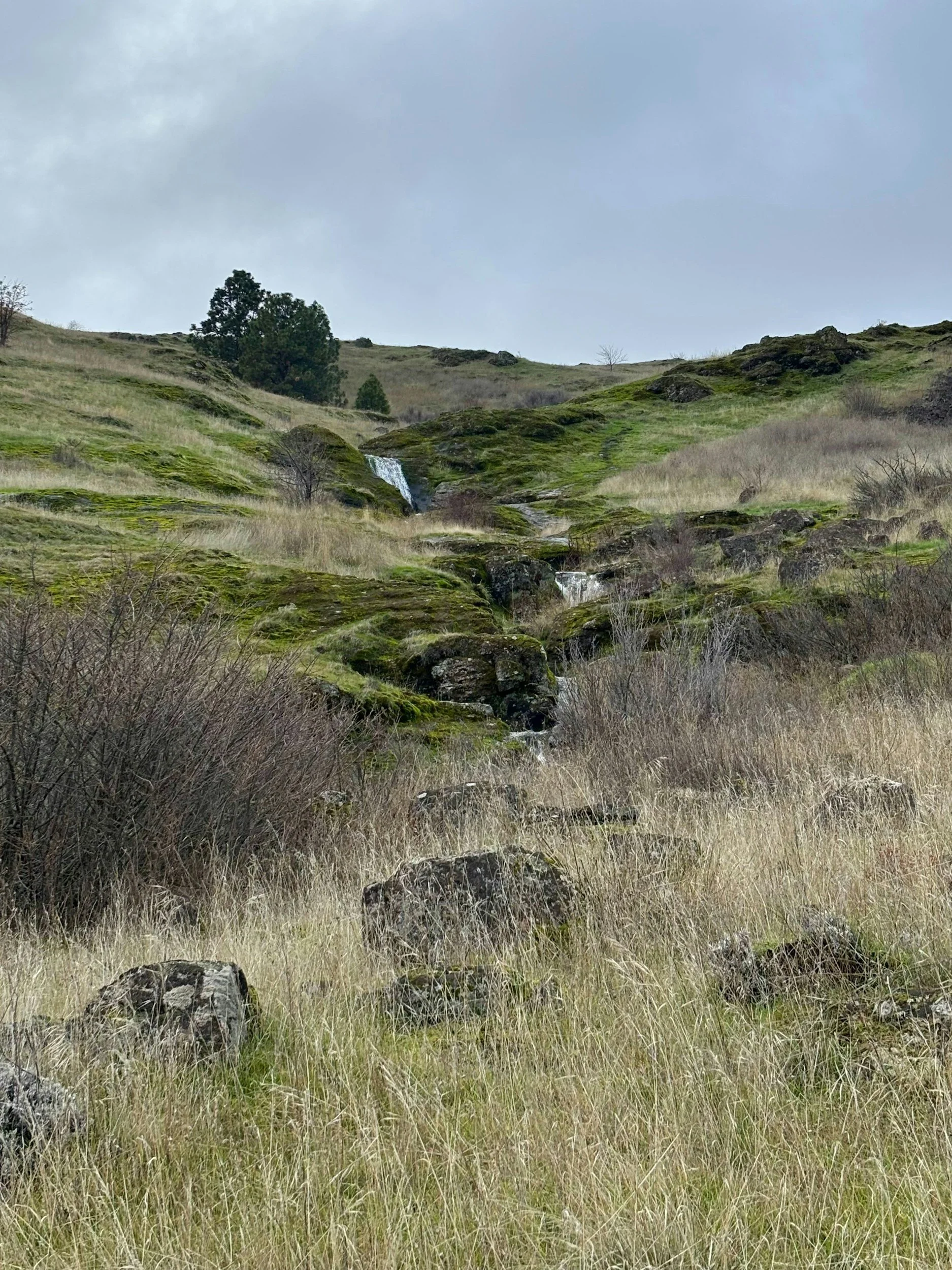
The book also explores the relationship between walking and writing, a theme that resonates with many of the figures discussed elsewhere in this series. For Macfarlane, the two acts are intimately connected. Walking generates thoughts that would not arise in stillness; the rhythm of footfall creates the rhythm of thought and sentence. He quotes the poet Edward Thomas, himself a great walker, who wrote in his diary that he sought 'a language not to be betrayed' through his rambling.
Macfarlane is also deeply interested in the contemporary meaning of these ancient ways. What does it signify to walk old paths in an age of motorways and air travel? He argues that path-walking offers a form of resistance to the acceleration and abstraction of modern life. On a path, you move at human speed, encountering the world directly through your senses rather than mediated through screens or windscreens.
There are passages in The Old Ways of extraordinary beauty and power. His description of walking the South Downs Way at dawn, the light gradually revealing the landscape, is masterful. His account of following a pilgrim path in the Himalayas, where he finds himself walking alongside Tibetan pilgrims performing full-body prostrations for hundreds of miles, is deeply moving. These are not merely travel descriptions but meditations on the meanings we find or create through walking.
The book also includes several sections on what Macfarlane calls 'sea roads' – the maritime routes followed by sailors and smugglers. These passages extend the concept of 'path' beyond land, suggesting that all forms of repeated journeying create ways through the world, whether across water, stone, or sand.
Like many of the best books on walking, The Old Ways resists easy summary. It is simultaneously a travel narrative, a work of cultural history, an exploration of landscape writing, and a personal quest. Macfarlane brings to it an enormous breadth of reading – he draws on sources from medieval Welsh poetry to contemporary neuroscience – but wears this learning lightly, always returning to the fundamental experience of placing one foot in front of another.
The book has been criticised by some for a certain romanticism, for perhaps over-stating the spiritual dimensions of path-walking. But this seems to miss the point. Macfarlane is not claiming that walking ancient paths will solve the problems of modern life, but rather that it offers a different perspective on them, a chance to think at a different pace and scale.
For those who walk regularly, whether in rambling clubs or alone, The Old Ways offers rich insights into what we are doing when we walk. Macfarlane helps us see that our Sunday rambles and weekend hikes connect us, however tenuously, to something ancient and enduring. The paths we walk have been walked by countless others; they will be walked by countless more. In this way, walking becomes not an escape from community but a way of joining a community that stretches across time.
The book ends, appropriately, with Macfarlane reflecting on paths near his home in Cambridge, suggesting that the exotic journeys described earlier in the book have taught him to see the familiar with new eyes. This feels right: the point of walking the old ways is not to flee the present but to return to it with deeper understanding.
Robert Macfarlane continues to write beautifully about landscape and the human relationship with nature. His more recent work Underland (2019) explores what lies beneath our feet with similar depth and grace. But The Old Ways remains perhaps his most complete statement on walking itself, a book that anyone who loves to walk will find both illuminating and inspiring.
The paths are still there, waiting to be walked. As Macfarlane reminds us, they are not museum pieces but living routes, shaped by use and shaping those who use them. The conversation between past and present continues with every footstep.
